Everything You Need to Know About Student-Teacher Ratios


Imagine teaching in front of a sea of children, desks stacked so closely together you have to creatively maneuver yourself to move about the classroom. With an abundance of students, it's difficult to find the capacity or time to truly focus on each individual's strengths and weaknesses, tailor teaching according to their needs, or know how to push each one uniquely toward success.

On the other side of the coin, picture a smaller sized classroom. Instead of a large group of students, you teach just a handful in one topic. You know not just their names and faces, but their goals, strengths, and academic challenges. You can encourage their unique voices and meet their needs. This dichotomy is often the difference between a high and a low student-teacher ratio — and for many students, the right ratio can be a significant contribution to their success.

What Is a Student-Teacher Ratio?

The student-teacher ratio refers to the number of students for every teacher in a school. This number is about more than just class size — although the two statistics are often tied. The student-teacher ratio reflects the teacher's workload and how readily they are to offer services and care to their students. Many students and teachers find that the lower the number, the better the educational process and learning will be.

Why Do Student-Teacher Ratios Matter?

The student-teacher ratio has been found to be one of the strongest indicators of student success and engagement. Logically, it's little wonder why. The fewer students each teacher works with, the more closely they're able to adapt their teaching to the specific learning styles. They're also able to develop healthy one-on-one mentoring relationships and offer insight and help in ways that would be impossible in a larger classroom. Additionally, a lower ratio will lighten the workload for teachers, enabling them to focus on the quality rather than the quantity of their teaching and grading.

In a smaller group, students are more likely to feel comfortable voicing their opinions, asking questions, and making their needs known. This setup also provides added care for students who may be struggling with learning obstacles in any given subject. Rather than falling through the cracks in a larger classroom or one with a higher student-teacher ratio, students benefit from the fact that teachers are able to notice and offer tailored assistance more effectively.

This benefit may also be true of students who excel and need an added challenge to harness their full potential. With a lower student-teacher ratio, teachers have the capacity to address this situation, offering the student extra materials and helping them succeed to the best of their abilities. The teacher will also have a higher bandwidth to go above and beyond in communicating this area of strength with the student's parents and considering the next best steps.

The proof, as they say, is in the pudding. Lower student-teacher ratios have been found to leave their mark, creating a ripple effect that includes:

  • Better test scores
  • Fewer dropout students
  • Higher graduation rates

What Is a Good Student-Teacher Ratio?

There is no standard perfect number for what constitutes a good student-teacher ratio. The number will vary according to budgeting, as smaller class sizes and more teachers cost the school more to staff and train. You'll also often find differences in the student-teacher ratio according to the type of school. Public schools, for example, tend to have a higher student-teacher ratio than private day schools or boarding schools, which typically offer smaller class sizes.

A good rule of thumb to follow: The smaller the student-teacher ratio, the better!

Classroom sizes across the U.S. have been declining from an average student-teacher ratio of 22:1 in 1970 to 15:1 in 2008. This trend is a positive one indicating that educational systems recognize the importance of reducing the ratio as much as possible.

The more one-on-one attention and individualized teaching students can glean, the higher the quality and personalization of their learning. While there's no magic number for this ratio, you'll find that a lower ratio tends to indicate a more positive and tailored teaching approach.

Site Inspectr

MISSING ALTERNATIVE TEXT
Apple

SPACER IMAGE MISSING ALTERNATIVE TEXT

IMAGE BUTTON MISSING ALTERNATIVE TEXT

IMAGE MAP AREA MISSING ALTERNATIVE TEXT

ARIA - BROKEN MENU 

[date]

ARIA - BROKEN REFERENCE  
If you have a photo of yourself that we can include in your file, please upload it here.

EMPTY FORM LABEL

INVALID LONGDESC  

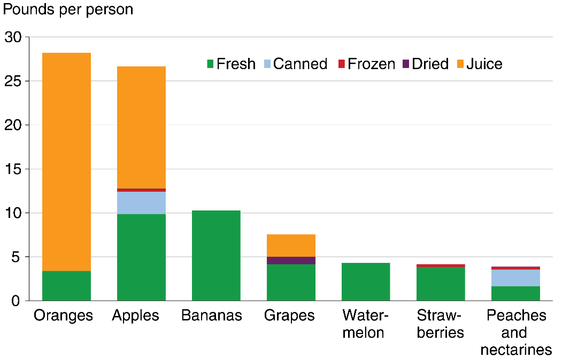
Most purchased fruits in the U.S.

MISSING FORM LABEL  

MULTIPLE FORM LABELS

DOCUMENT LANGUAGE MISSING  

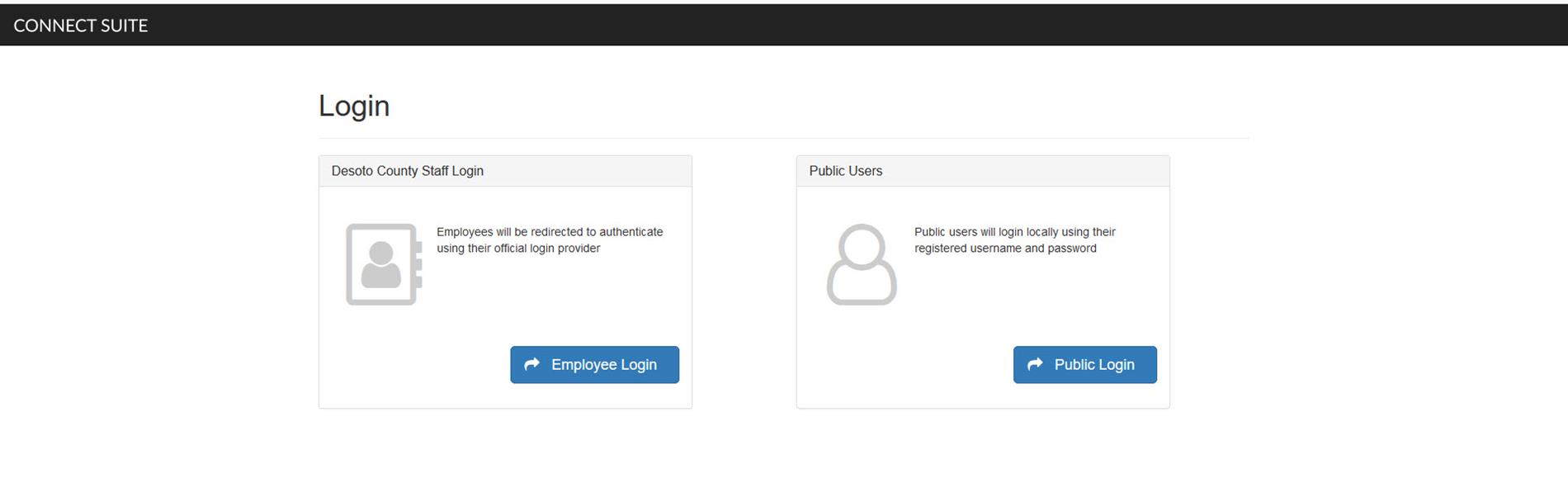
Login Screen

PAGE REFRESHES OR REDIRECTS  

EMPTY HEADING

This is the heading

EMPTY BUTTON 

EMPTY LINK 

Click Here

Font Awesome Icon

BROKEN SKIP LINK
EMPTY TABLE HEADER
Name Age Gender
Eleanor 11 Female
Zara 7 Female

BLINKING CONTENT  

There is an example of Blink Content

MARQUEE 

Marquee

This is a sample scrolling text that has scrolls in the upper direction.